
- Introduction
- What Are Co-Op Horror Games?
- Why Are Co-Op Horror Games So Popular?
- Features That Make Great Co-Op Horror Games
- Best Co-Op Horror Games to Play
- Tips for Surviving Co-Op Horror Games
- Benefits of Playing Co-Op Horror Games
- The Future of Co-Op Horror Games
- Conclusion
- Frequently Asked Questions
Introduction
Co-op horror games offer a unique blend of fear, teamwork, and excitement that transforms traditional horror experiences into unforgettable multiplayer adventures. Instead of facing terrifying monsters, haunted locations, and supernatural threats alone, players work together to survive and complete objectives. Whether you’re hunting ghosts, escaping deadly creatures, or solving mysteries in dark environments, co-op horror games create intense moments that are both frightening and entertaining. This guide explores the genre’s popularity, essential features, best titles, survival tips, and what the future holds for horror fans who love playing with friends.
What Are Co-Op Horror Games?
Co-op horror games are multiplayer horror experiences designed around teamwork. Unlike single-player horror titles where the entire burden of survival rests on one person, these games encourage multiple players to cooperate while facing terrifying situations.
The genre has grown significantly over the last decade because it combines the emotional impact of horror with the social interaction of multiplayer gaming. While traditional horror games focus on isolation and vulnerability, co-op horror games create fear through shared experiences. Players often find themselves screaming, laughing, and strategizing simultaneously as they attempt to survive together.
In most co-op horror games, players are given specific tasks that require collaboration. These tasks may include investigating paranormal activity, collecting resources, escaping dangerous environments, repairing equipment, or defeating supernatural enemies.
Common objectives found in co-op horror games include:
- Exploring abandoned buildings
- Investigating haunted locations
- Escaping dangerous creatures
- Solving environmental puzzles
- Gathering clues and evidence
- Protecting teammates
- Completing survival missions
The beauty of the genre lies in the fact that no player can typically succeed alone. Communication, trust, and teamwork become essential components of survival.
Why Are Co-Op Horror Games So Popular?
1. Shared Fear Creates Memorable Moments
One of the biggest reasons co-op horror games continue to attract players is the unique experience of sharing fear with friends.
A sudden jump scare can be terrifying when you’re alone. However, when an entire group reacts simultaneously, the moment often becomes hilarious and memorable. Many players enjoy recounting stories about unexpected monster attacks, failed escape attempts, and accidental betrayals long after a gaming session ends.
The combination of fear and social interaction creates experiences that are difficult to replicate in other gaming genres.
2. Teamwork Increases Engagement
Most co-op horror games require active communication. Players constantly exchange information about enemy locations, available resources, and mission objectives.
This constant interaction keeps everyone engaged throughout the game. Unlike some multiplayer experiences where certain players may feel disconnected, horror cooperation ensures that every decision matters.
For example, one player might monitor security cameras while another explores dangerous corridors. Every role contributes to the group’s success.
3. Replayability
A major strength of co-op horror games is their replay value.
Many games use randomized mechanics such as:
- Dynamic enemy spawns
- Randomized objectives
- Procedurally generated maps
- Changing item locations
- Different difficulty levels
These features ensure that each session feels fresh and unpredictable. Even after dozens of playthroughs, players continue encountering new situations.
4. Perfect for Online Gaming
Modern online infrastructure has made multiplayer gaming more accessible than ever. Voice chat, matchmaking systems, and cross-platform support have helped co-op horror games reach wider audiences.
Friends from different locations can easily connect and experience terrifying adventures together. The rise of content creators and livestreaming has further boosted the genre’s popularity, as audiences enjoy watching groups react to frightening situations in real time.
5. Fear Feels Less Intimidating With Friends
Many people enjoy horror but dislike experiencing it alone. Co-op horror games provide a perfect solution by allowing players to face frightening situations alongside trusted teammates.
While the game remains scary, having friends nearby makes the experience more enjoyable and approachable.
Features That Make Great Co-Op Horror Games
Immersive Atmosphere
Atmosphere is the foundation of every successful horror experience.
Developers use a combination of visual design, environmental storytelling, sound effects, and lighting to create tension. Dark hallways, flickering lights, distant footsteps, and eerie music all contribute to a feeling of constant danger.
The best co-op horror games make players feel uncomfortable even when nothing is happening. This anticipation keeps tension high throughout the experience.
Cooperative Objectives
Strong cooperative mechanics separate great games from average ones.
Players should feel that teamwork genuinely matters. Objectives that require coordination, communication, and mutual support help strengthen immersion.
Examples include:
- Carrying heavy equipment together
- Activating multiple switches simultaneously
- Sharing limited resources
- Reviving injured teammates
- Solving puzzles through collaboration
These mechanics encourage players to depend on one another.
Unpredictable Threats
Predictability can quickly ruin horror.
The most effective co-op horror games feature intelligent enemies and random events that prevent players from memorizing encounters. When players never know where danger will appear, every exploration feels risky.
Randomized threats also improve replayability because encounters remain surprising even after multiple sessions.
Resource Management
Limited resources significantly increase tension.
Many co-op horror games restrict access to important items such as:
- Flashlights
- Batteries
- Medical supplies
- Weapons
- Protective equipment
Players must carefully decide when and how to use these resources. Poor management can easily lead to failure.
Voice Communication
Communication plays a crucial role in cooperative survival.
Many modern horror games use proximity voice chat systems where players can only hear nearby teammates. This feature adds realism and creates additional tension when groups become separated.
Imagine hearing a friend’s terrified screams fade into the distance as a monster approaches. Such moments create unforgettable horror experiences.
Balanced Difficulty
A successful co-op horror game challenges players without feeling unfair.
The best titles gradually introduce new threats and mechanics while rewarding teamwork and strategic thinking. Difficulty should encourage improvement rather than frustration.
Best Co-Op Horror Games to Play
Phasmophobia
Phasmophobia remains one of the most influential co-op horror games available today.
Players assume the role of paranormal investigators tasked with identifying various ghost types haunting different locations. Using specialized equipment such as EMF readers, spirit boxes, and thermometers, teams gather evidence while avoiding supernatural attacks.
Key Features:
- Four-player cooperative gameplay
- Realistic ghost-hunting mechanics
- Voice recognition technology
- Diverse haunted locations
- Frequent content updates
Its immersive design and unpredictable ghost behavior make every investigation feel unique.
Lethal Company
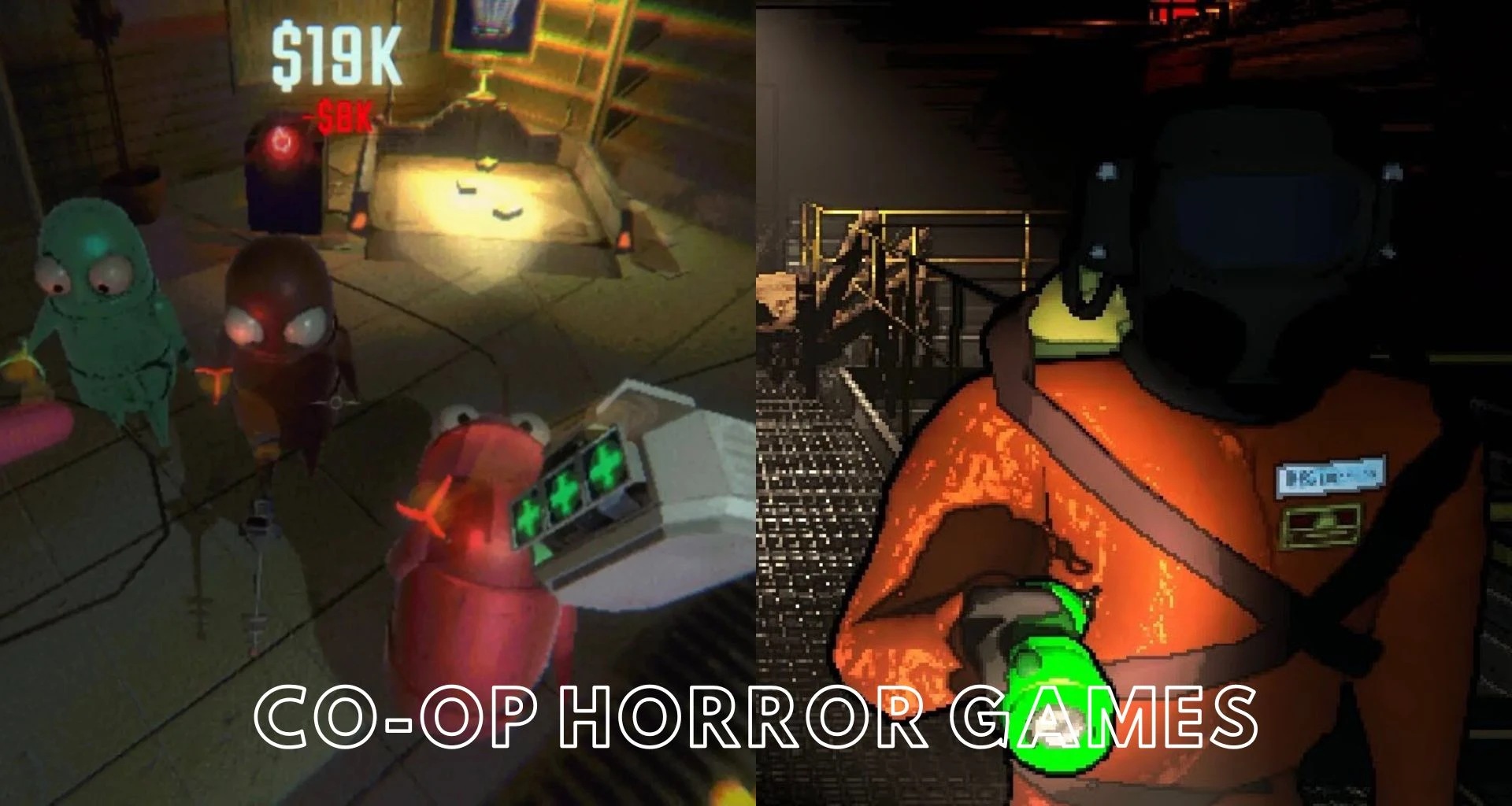
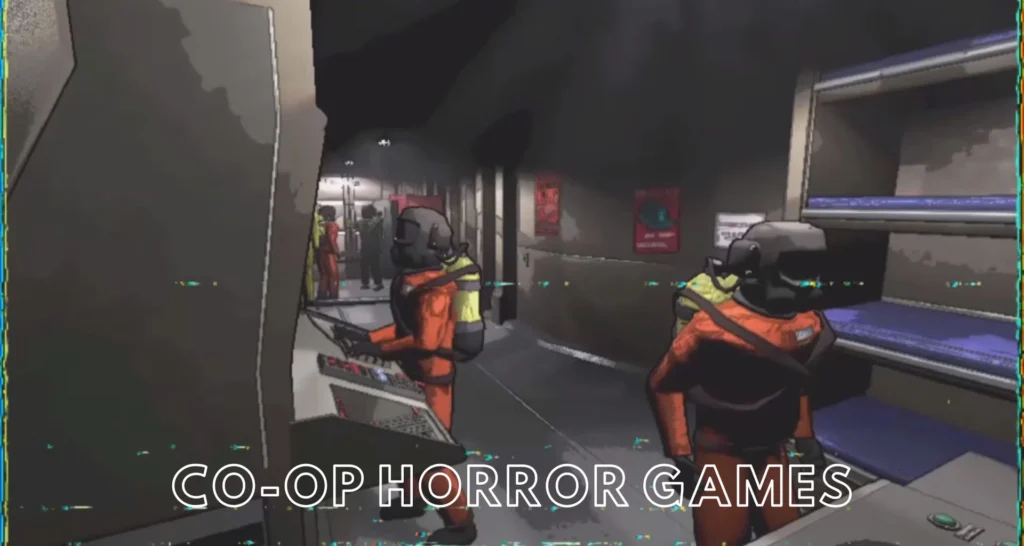
Lethal Company quickly became a phenomenon due to its combination of horror, teamwork, and humor.
Players work for a mysterious corporation, collecting valuable scrap from abandoned facilities while avoiding deadly creatures. The game’s physics-based interactions and unpredictable monsters create both terrifying and hilarious moments.
Why Players Love It:
- Exceptional multiplayer experiences
- Unique creature encounters
- High replayability
- Strong cooperative mechanics
- Memorable emergent gameplay
Many players consider it one of the best recent additions to the co-op horror games genre.
DEVOUR
DEVOUR offers a fast-paced and intense horror experience.
Players must stop possessed cult leaders from completing dangerous rituals while avoiding increasingly aggressive supernatural enemies. Success requires coordination, resource management, and quick decision-making.
Highlights:
- Four-player co-op
- Challenging objectives
- Multiple playable maps
- Escalating difficulty
- Frequent updates
The game’s relentless pacing keeps players under constant pressure.
Forewarned
Forewarned brings a unique setting to the horror genre by focusing on ancient Egyptian mythology.
Teams explore cursed tombs in search of treasure while uncovering the identities of dangerous supernatural entities. Procedurally generated environments ensure that every expedition feels different.
Features:
- Ancient Egyptian themes
- Randomized tomb layouts
- Investigation mechanics
- Challenging enemies
- Cooperative exploration
Its distinctive setting helps it stand out among other co-op horror games.
The Outlast Trials
The Outlast Trials expands the famous Outlast franchise into multiplayer territory.
Players become test subjects trapped in horrifying experiments. Teams must complete objectives while surviving psychologically disturbing environments and relentless enemies.
Advantages:
- Exceptional graphics
- Deep horror atmosphere
- Cooperative progression
- Disturbing storytelling
- Intense gameplay
Fans of psychological horror will find plenty to enjoy here.
Content Warning
Content Warning adds a unique twist to cooperative horror by encouraging players to film terrifying encounters and upload them for in-game popularity.
The concept creates an entertaining mix of risk and reward as players venture deeper into dangerous environments to capture better footage.
The game’s creative mechanics have helped it earn a dedicated community.
Escape the Backrooms
Inspired by internet horror mythology, Escape the Backrooms challenges players to navigate bizarre and unsettling environments while avoiding mysterious entities.
The game’s atmosphere and level variety make it a favorite among fans of exploration-focused horror.
Tips for Surviving Co-Op Horror Games
Stay Together
One of the most important survival strategies is staying close to teammates.
While splitting up may appear efficient, isolated players are often easier targets. Groups benefit from increased awareness, faster assistance, and improved communication.
Communicate Constantly
Information is one of the most valuable resources in co-op horror games.
Players should frequently share:
- Enemy sightings
- Resource locations
- Objective progress
- Potential dangers
- Escape routes
Clear communication prevents unnecessary mistakes.
Learn the Game Mechanics
Every game contains unique systems and enemy behaviors.
Investing time in understanding these mechanics significantly improves survival chances. Knowledge often proves more valuable than reflexes alone.
Manage Resources Carefully
Wasting resources early can create serious problems later.
Players should prioritize conservation whenever possible and coordinate resource usage to maximize efficiency.
Don’t Panic
Fear is an intended part of the experience, but panic often leads to poor decisions.
Remaining calm allows players to think clearly, communicate effectively, and respond appropriately during dangerous situations.
Assign Roles
Many teams benefit from assigning specific responsibilities.
Examples include:
- Scout
- Resource manager
- Objective specialist
- Support player
- Navigator
Defined roles improve organization and efficiency.
Benefits of Playing Co-Op Horror Games
Beyond entertainment, co-op horror games can provide several surprising benefits.
Improved Communication Skills
Success often depends on effective communication. Players learn to convey information quickly and accurately under pressure.
Enhanced Teamwork
The genre encourages cooperation and trust. Players frequently develop stronger collaborative skills through repeated teamwork.
Better Problem-Solving
Many horror games involve puzzles, investigations, and strategic planning. These challenges encourage critical thinking and creative solutions.
Stress Management
Although horror games create tension, they also teach players to remain focused during stressful situations.
Stronger Friendships
Shared experiences often strengthen social bonds. Many gaming groups form lasting memories through cooperative horror adventures.
The Future of Co-Op Horror Games
The future of co-op horror games looks incredibly promising.
Advances in gaming technology continue to create new opportunities for immersion and innovation. Developers are experimenting with artificial intelligence systems that allow enemies to behave more realistically and adapt to player actions.
Virtual reality technology is also transforming the genre. VR horror experiences can create unparalleled levels of immersion, making cooperative gameplay even more intense.
Future trends may include:
- Smarter enemy AI
- More realistic environments
- Enhanced voice recognition
- Cross-platform multiplayer support
- Dynamic storytelling systems
- Expanded VR integration
Cloud gaming services and improved internet infrastructure will likely make cooperative experiences more accessible to players around the world.
As technology evolves, co-op horror games are expected to become more immersive, unpredictable, and socially engaging than ever before.
Conclusion
Co-op horror games have successfully transformed horror from a solitary experience into a thrilling social adventure. By combining fear, teamwork, communication, and strategic gameplay, these titles create unforgettable moments that players can share with friends.
Whether you’re investigating paranormal activity in Phasmophobia, collecting scrap in Lethal Company, surviving cult rituals in DEVOUR, or enduring terrifying experiments in The Outlast Trials, the genre offers something for every horror fan.
The continued growth of multiplayer gaming, virtual reality, and advanced AI ensures a bright future for co-op horror games. For players seeking a combination of suspense, excitement, and cooperative challenges, few genres deliver as consistently entertaining an experience.
Gather your friends, turn down the lights, put on your headset, and prepare to discover why co-op horror games remain one of the most exciting genres in modern gaming.
Frequently Asked Questions
1. What are the best co-op horror games to play with friends?
Some of the best co-op horror games include Phasmophobia, Lethal Company, The Outlast Trials, DEVOUR, Forewarned, and Escape the Backrooms. These games offer a mix of survival, exploration, puzzle-solving, and terrifying encounters that are best experienced with friends.
2. Can co-op horror games be played online?
Yes, most modern co-op horror games support online multiplayer. Players can join friends through private lobbies, matchmaking systems, or dedicated servers. Many games also feature voice chat to improve communication and teamwork during gameplay.
3. Are co-op horror games scary if you play with friends?
Absolutely. While having friends around can make horror games feel less intimidating, the fear factor remains strong. Unexpected jump scares, dangerous monsters, limited resources, and tense situations keep co-op horror games exciting and frightening even when playing as a group.
4. What makes co-op horror games different from single-player horror games?
The biggest difference is teamwork. In co-op horror games, players must work together to complete objectives, survive threats, and solve challenges. Unlike single-player horror games, cooperative experiences focus on communication, shared decision-making, and group survival, creating unique and memorable gameplay moments.